
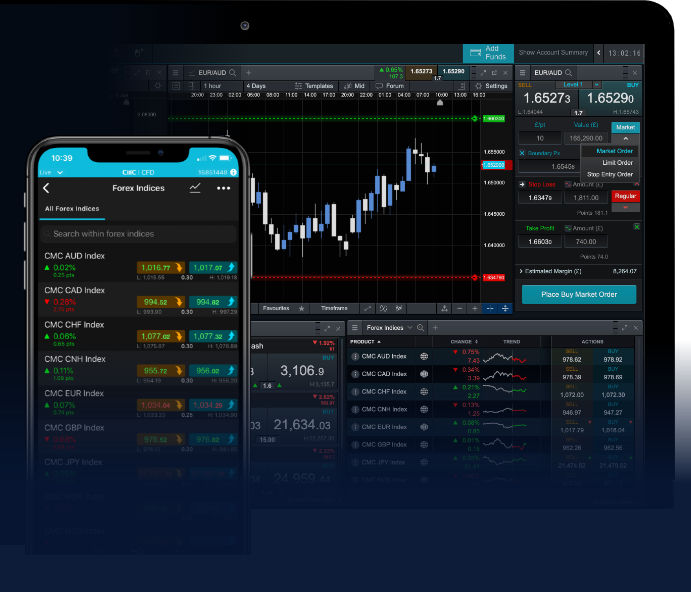
In the world of financial trading, advanced forex trading Trading FX Broker stands out as a comprehensive resource. For traders looking to elevate their skills and strategies, advanced forex trading presents an exciting and profitable opportunity. This article delves into sophisticated strategies, essential tools, and risk management techniques that can help you excel in the forex market.
Understanding Advanced Forex Trading
Forex trading, often considered a domain for both seasoned investors and novices, involves trading currencies in the foreign exchange market. Advanced forex trading encompasses a range of strategies, from technical analysis to algorithmic trading, designed to maximize profits while mitigating potential losses.
1. Technical and Fundamental Analysis
The foundation of advanced forex trading lies in the dual analysis of technical and fundamental factors. Technical analysis involves studying price charts, indicators, and historical data to forecast future price movements. Key tools such as moving averages, Fibonacci retracement levels, and indicators like the Relative Strength Index (RSI) can provide insights into market trends.
Conversely, fundamental analysis focuses on economic indicators, geopolitical events, and monetary policies impacting currency valuations. Traders must stay updated on central bank announcements, employment reports, and other economic indicators that could influence market sentiment.
2. Advanced Trading Strategies
To achieve success in forex trading, it’s crucial to employ advanced strategies that align with individual risk appetites and market conditions. Some widely used advanced strategies include:
- Scalping: This strategy involves making numerous trades throughout the day, aiming to profit from small price changes. Scalpers require a solid understanding of market dynamics and often need to use high-frequency trading tools.
- Carry Trade: In this strategy, traders exploit the interest rate differential between two currencies. By borrowing a currency with a low-interest rate to invest in a currency with a higher rate, traders can profit from both exchange rate changes and interest income.
- Algorithmic Trading: Utilizing computer algorithms to execute trades based on predefined criteria, algorithmic trading allows for high-speed trades, minimizing emotional decision-making. Techniques include high-frequency trading (HFT) and quantitative trading strategies.
- Position Trading: This longer-term strategy involves holding positions for weeks or months to capitalize on major market trends. Position traders need a deep understanding of macroeconomic factors and are less concerned with short-term volatility.
3. Risk Management Techniques
No trading strategy is complete without a robust risk management plan. Advanced forex traders employ several techniques to safeguard their investments:
- Stop-Loss Orders: Setting stop-loss orders is essential for limiting potential losses. Traders define a predetermined price point at which a trade will automatically close to prevent further losses.
- Position Sizing: Calculating the appropriate position size based on account balance and risk tolerance is crucial. Advanced traders often use formulas to decide how much capital to risk on any single trade.
- Diversification: Spreading investments across different currency pairs can help mitigate risks. While diversifying, traders should consider correlations between pairs to avoid overexposure.
4. Utilizing Trading Platforms and Tools
The right trading platform can significantly impact a trader’s efficiency and success. Advanced traders often turn to platforms that offer a range of tools and features, including:
- Advanced Charting Tools: Robust charting tools enable traders to analyze price movements effectively, supporting technical analysis and strategy development.
- Custom Indicators: Many platforms allow users to create and implement custom indicators that align with their trading strategies.
- Economic Calendars: Keeping track of upcoming economic events is vital for informed trading decisions. An economic calendar helps traders anticipate market volatility.
5. Keeping Up with Market Trends
Continuous learning and adaptation are essential for advanced forex traders. Staying informed about market trends, policy changes, and global economic events helps in making educated trading decisions. Following reliable financial news sources, attending trading webinars, and participating in trading forums can provide valuable insights into market dynamics.
6. Psychological Aspects of Trading
Trading psychology plays a significant role in the success of advanced forex traders. Emotional control, discipline, and the ability to stick to a trading plan are crucial for success. Many traders benefit from techniques such as meditation, journaling trades, and participating in trading communities to share experiences and strategies.
Conclusion
Advanced forex trading offers a myriad of opportunities for traders willing to invest time and effort into mastering the intricacies of the market. By utilizing sophisticated strategies, effective risk management, and cutting-edge tools, traders can navigate the complexities of the forex market with increased confidence and potential for profit. Ultimately, the journey to becoming an adept forex trader requires dedication, continuous learning, and adaptability to ever-changing market conditions.